About Troy

Life Coach. Author. Instructor.

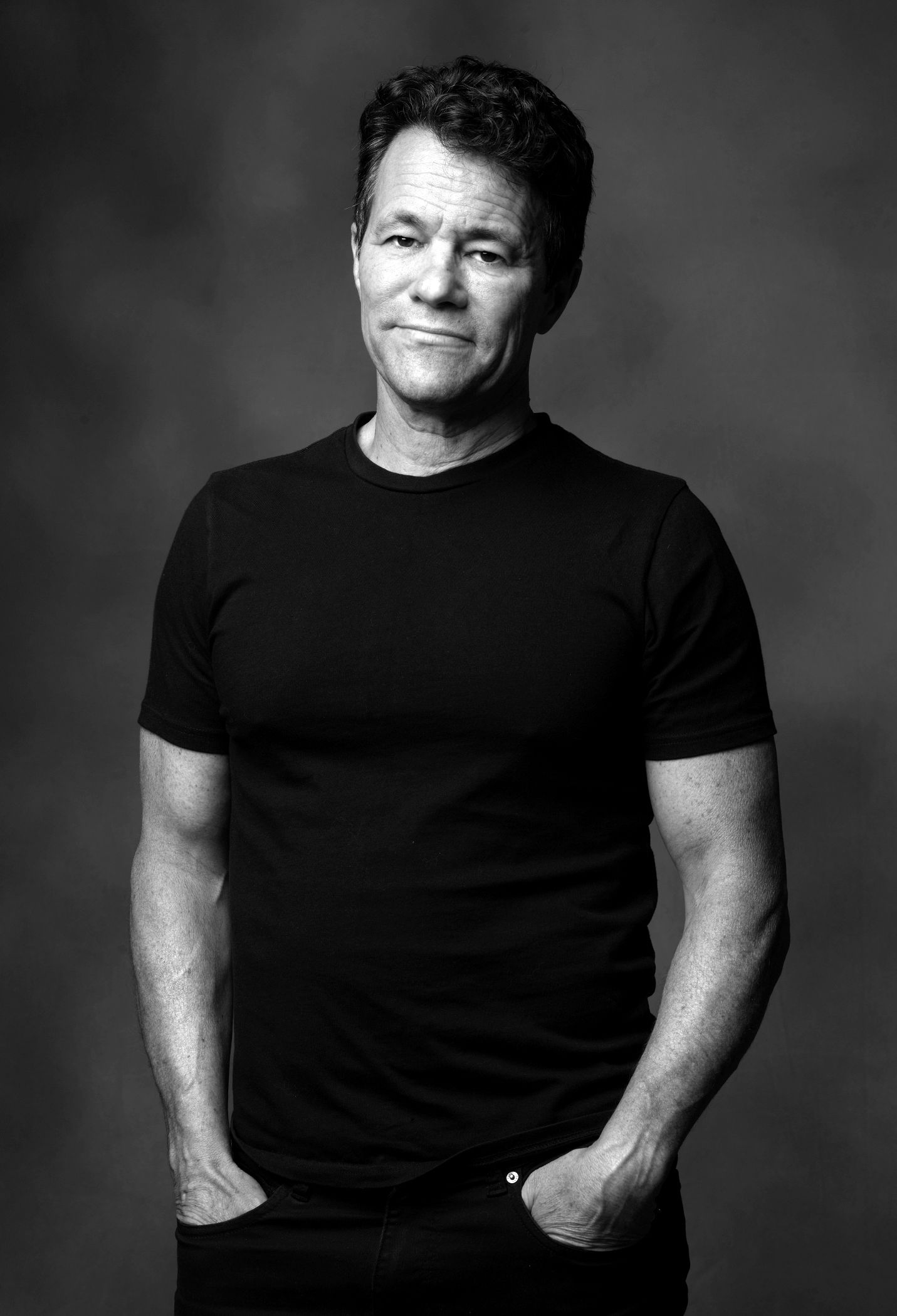
photo of Troy Anderson standing with his hands in his pockets
Photo: Mark Laita

Bio

TROY ANDERSON is on a mission to help stuck people get unstuck.

Early on, his determination to overcome an impoverished background turned years of hard work (with some lucky timing in the burgeoning healthcare industry) into self-made success as a business entrepreneur.

By his late thirties, he had accumulated enough wealth that he and his wife and kids would never have to worry about money again. That's when he became a life coach, offering services to those from all walks of life, financial status irrelevant, because he didn't have to live off what his clients did or didn't pay him (it was easier just not to charge them).

For years he traveled around the world in a variety of settings, under the radar because he was on a mission, not building a platform. Then one day, prompted by those he'd helped, he wrote a book. He set up an online office. And to reach more people in a day than he could one by one, he donned his Life Coach Troy cape.

Troy's Backstory

Life-Coach Troy has the easy confidence of someone with nothing left to prove and the personal warmth of a caring person curious to discover the uniquely fascinating story of every human being he comes across. Wherever he goes, people tend to like him because he is warm and approachable with an easy laugh and, despite his extraordinary climb out of desperation into an extraordinarily successful stint in business, remarkably uninterested in impressing anyone. He can sit across from a billionaire or a homeless man and make either feel like the most interesting person in the world. In fact, he often finds the homeless man more interesting—and he will be sure to communicate it in a way that lights up a “nobody” with the affirmation that s/he is, in truth, a somebody—just temporarily disguised in a nobody costume.

Spend any time with Life-Coach Troy and you will realize there is nothing particularly imposing about him. He dresses simply and comfortably, speaks plainly, and asks questions instead of declaring opinions. His queries are so disarming that they seem innocuous, playful even, until they reach something deep inside the person who hears them, with the shock of feeling known by someone who was a stranger just a moment ago.

He remembers names, notices small changes in people's moods, and has an almost uncanny ability to recognize when someone's outward success is concealing an inward defeat. He doesn't speak the language of a professional therapist or indulge in the platitudes of a motivational speaker or religious evangelist. In fact, he is more likely to disarm someone with a joke than inspire them with a speech—although the joke often lands with the insight of an aha. People tend to trust him before they quite understand why.

But that lightness that Life-Coach Troy carries? It was hard won.

LESSONS IN PAIN

He grew up poor, in a household where love was conditional, anger unpredictable, and cruelty commonplace. With parents who were psychologically and physically abusive, he learned early to read a room, anticipate danger, and make himself useful. He discovered that humor could defuse anger, competence could sometimes earn a reprieve, and outwitting the enemy could buy safety. His childhood gave him an intimate knowledge of shame, fear, loneliness, and the peculiar helplessness of being trapped in circumstances no one had power to change.

Leaving home and joining the Navy was his first great act of self-rescue. Military life gave him structure, discipline, responsibility, and, perhaps most importantly, evidence that he was capable of more than his parents had ever allowed him to believe. He discovered that the world was larger than the one he had inherited and that he had talents no one had bothered to recognize. He learned to trust his judgment, take calculated risks, and distinguish between fear that warns of real danger and fear that merely keeps a person small.

After the Navy, he went into business. He was entrepreneurial by instinct, a shrewd observer of people and opportunities, and unusually comfortable taking risks that others avoided. He bought struggling businesses, recognized what was broken, figured out what could be fixed, and turned them into profitable enterprises. He was particularly good at seeing possibilities other people missed. He saved aggressively, reinvested wisely, and resisted the temptation to make his success visible through an extravagant lifestyle.

He wanted to stay under the radar in part because he knew firsthand that hidden inside any list of “accomplishments” is the reality that sometimes luck outpaces skill, and failure to recognize the difference leaves the ego in delusion. You can build the boat and hoist the sails that got you off the island you were marooned on, but only God controls the wind.

THE CRITICAL QUESTION

All his life Troy had been fascinated by the question, Why do some people remain imprisoned by what happens to them, while others find a way to become something more?

It wasn’t because of money, education, and social standing—he’d met both millionaires who were miserable as well as people with nothing who had a wisdom beyond their means. As he searched his own life and began digging gently under the surface of others’ to listen for what was there, he heard made-up stories people told themselves . . . fears they mistook for facts . . . defenses that promised to protect them but instead imprisoned them . . . dreams they’d abandoned because they no longer believed they deserved them. Maybe his gift for rescuing troubled businesses was rooted in an instinct for recognizing potential buried beneath dysfunction. Sure, rebuilding a failing business was an empowering experience, but helping to make a difference in someone's life struggle was a bigger kind of empowering.

So one day he stopped making money and began coaching people, not because he wanted a different profession but because he had found a calling.

How Troy Started Coaching
When I was working, I realized that helping people achieve their potential is what made me feel alive.